

Patient Platforms & Portals
Patient-facing apps and portals for scheduling, records access, and communication, designed around how patients actually behave (mobile-first, low patience for friction), not just what's technically possible.
Patient data, clinical workflows, and compliance requirements don't leave room for a platform that “mostly works.” As a custom healthcare software development partner, we build healthcare software engineered for accuracy, security, and the way care teams actually operate.


Every new feature gets stuck behind a compliance review because it wasn't designed with HIPAA and data governance in mind from the start.
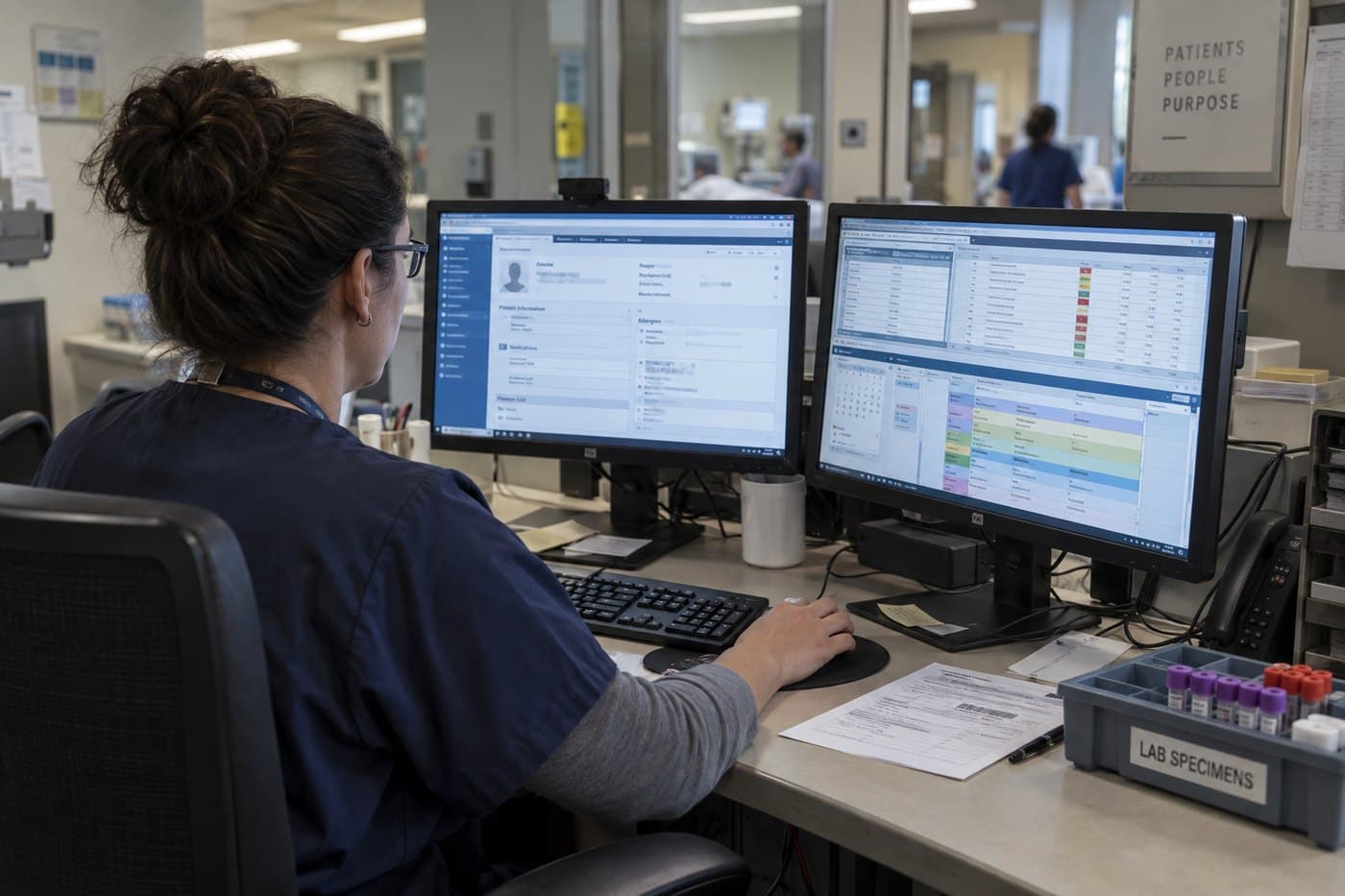
EHRs, billing, scheduling, and lab platforms sit in silos, so staff re-enter the same patient data multiple times and care coordination suffers.
Systems built a decade ago can't support telehealth, patient apps, or AI tools without a costly, risky rebuild.
Big system integrators and generic outsourcing shops add layers of process without adding speed, so you wait months for changes that should take weeks.
Patient-facing apps and portals for scheduling, records access, and communication, designed around how patients actually behave (mobile-first, low patience for friction), not just what's technically possible.
Secure video consultation platforms, remote monitoring integrations, and virtual intake flows built to handle real clinical use, not just a demo-friendly video call.
Connecting EHRs, lab systems, pharmacy platforms, and scheduling tools that were never designed to talk to each other, so your team isn't re-entering the same patient data three times a day.
HIPAA-aligned data handling, encryption, and access controls built into the architecture from day one, not bolted on before a compliance review. We design with audit trails and data governance in mind from the first sprint.
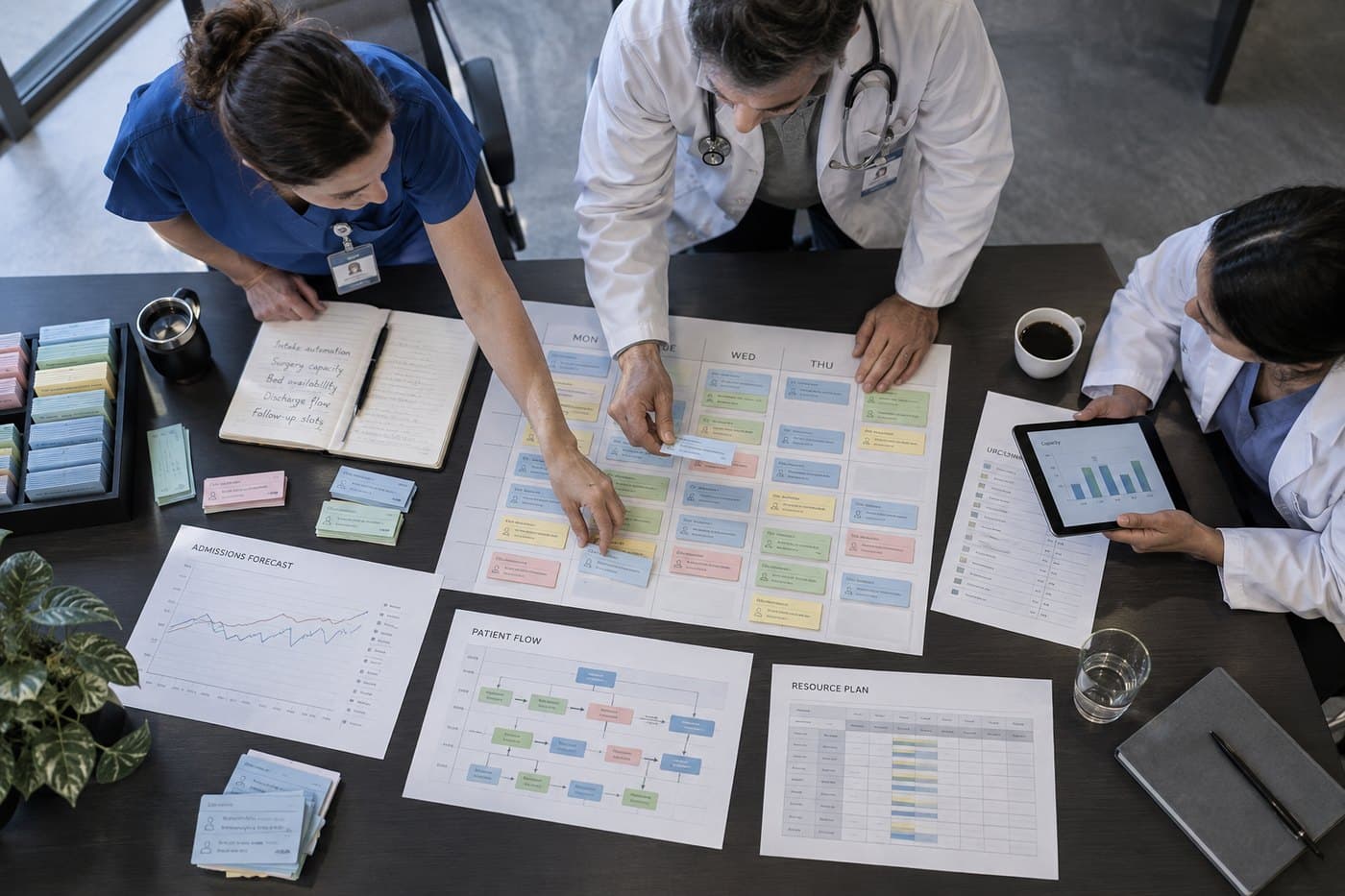
Turning clinical and operational data into something usable: predictive scheduling, intake automation, clinical decision support inputs, and AI tools trained on your workflows rather than generic healthcare data sets.
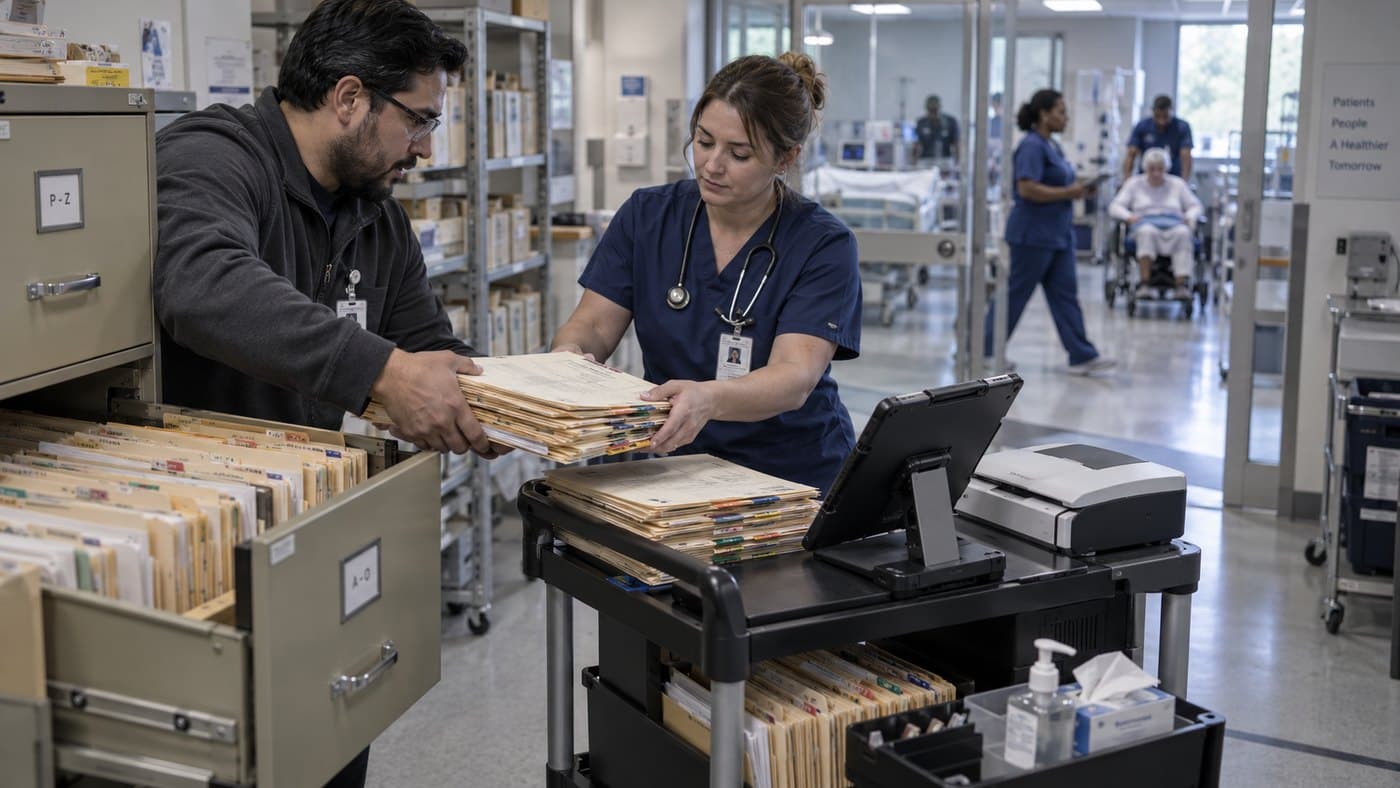
Migrating hospitals and clinics off systems that were built for a different decade, without disrupting the care operations that depend on them staying up during the transition.
Talk is easy. Here's what we've actually shipped.
Security and compliance are the baseline, not a feature. Every healthcare engagement starts with how data is handled, stored, and audited, before we talk about UI.
Downtime has real consequences. We design and test for the failure modes that matter in a clinical setting, not just typical web-app load testing.
Interoperability is usually the hard part. Most healthcare projects live or die on how well they integrate with what's already there (EHRs, billing systems, lab platforms), so we scope integration work honestly, upfront.
sprint-based delivery instead of waterfall vendor timelines
API-first architecture designed to connect with what you already run
HIPAA and data governance considered from sprint one, not bolted on before audit
not a rotating cast of account managers between you and the people writing code
built to handle growth without a re-platform
We map your current systems, compliance requirements, and where clinical or administrative workflows are breaking down today.
We scope to the integration points and features that actually reduce friction for patients or staff, before adding anything else.
We build with compliance and data security considerations embedded from the first sprint, not retrofitted before launch.
We ship, monitor systems that can't afford downtime, and keep iterating as regulatory and clinical needs shift.

For healthcare organizations that need engineers who stay embedded long-term, understanding your compliance posture and systems rather than relearning them on every project, we staff dedicated developers who work inside your team, in your time zone.
Learn more about Dedicated Engineering TeamsIn most cases, yes. This is one of the most common needs healthcare organizations bring to us. We'll scope integration complexity honestly upfront, since this is usually the part of a healthcare project that determines timeline more than anything else.
Tell us what you're building or which systems need to talk to each other, and we'll walk you through how we'd approach it. No obligation, no generic sales pitch.
Get in touch